Structural Stability Assessment: A Closer Look at BPC-157
BPC-157 is highly regarded in scientific research not only for its regenerative properties but also for its remarkable structural stability. As a pentadecapeptide originally isolated from human gastric juice, it naturally exhibits a high degree of resistance to degradation.
Stability and Environmental Resistance
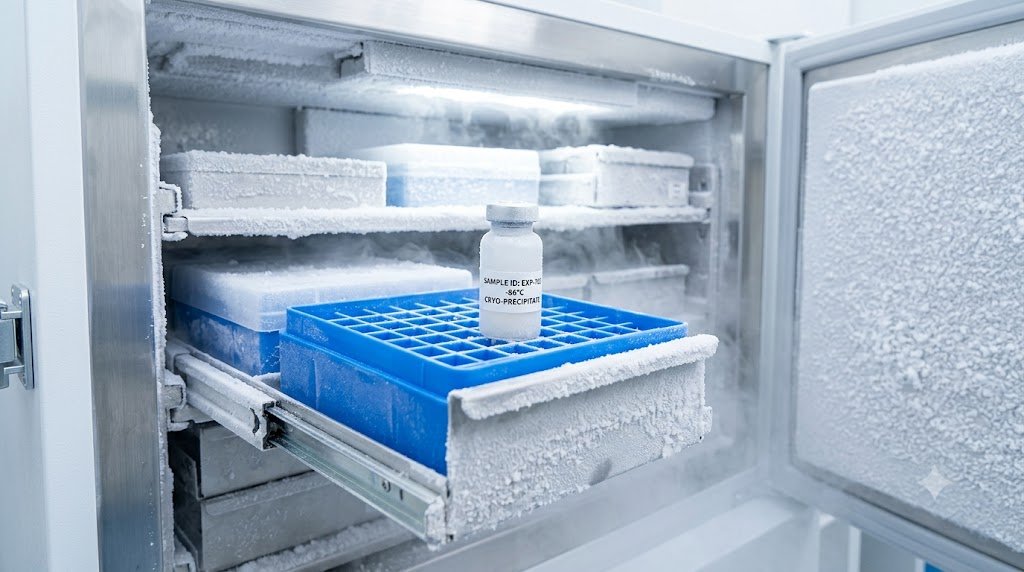
Unlike many fragile peptides, BPC-157 demonstrates significant stability across varying pH levels and temperatures. This inherent resilience allows researchers to conduct diverse in vitro and in vivo studies without the immediate risk of rapid peptide breakdown. However, preserving its molecular integrity over extended periods still requires strict adherence to standard laboratory storage protocols, such as proper refrigeration or freezing upon reconstitution.
Quality Control at StratagenLab
To guarantee that BPC-157 retains its structural stability from synthesis to application, rigorous quality control is essential. At StratagenLab, our peptides undergo strict third-party testing to verify purity and structural integrity. Adhering to the highest laboratory standards ensures that your research utilizes precise, uncompromised compounds.
Best Practices for Handling and Storage
While BPC-157 is exceptionally resilient compared to other peptides, maximizing its shelf life and efficacy requires precise handling protocols.
- Lyophilized Powder: Store at -20°C or below for long-term stability (up to 24 months). Short-term exposure to ambient temperatures during transit generally does not compromise its structural integrity.
- Reconstituted Solution: Once reconstituted—ideally using bacteriostatic water to prevent microbial growth—store the peptide immediately at 2°C to 8°C.
- Freeze-Thaw Cycles: Repeated freezing and thawing can cause structural shear. If prolonged experimental use is anticipated, aliquot the reconstituted solution into single-use vials to prevent degradation.
Implications for Research Outcomes
Peptide degradation introduces uncontrolled variables into experimental models. The intrinsic stability of BPC-157 effectively mitigates this risk, yielding high reproducibility in tissue regeneration, angiogenesis, and gastrointestinal studies. By maintaining strict molecular integrity, researchers eliminate data artifacts caused by peptide fragmentation, ensuring that observed biological responses are directly attributable to the intact pentadecapeptide.
Conclusion
The robust structural stability of BPC-157 makes it a highly dependable compound for advanced physiological modeling. However, pairing this natural stability with strict laboratory storage protocols and high-purity sourcing is critical for experimental success. Explore StratagenLab’s meticulously tested BPC-157 to secure consistent, high-fidelity data for your ongoing research.